I remember when I first started thinking about learning the piano. The idea of creating beautiful music, of sitting down at the keys and letting my fingers dance, was incredibly appealing. Maybe you're feeling something similar right now. It’s a pretty common thought, actually, and it usually leads people straight to Google with a search like "piano lessons near me." That simple phrase kicks off an exciting journey, and I’m here to walk you through everything you need to consider to make that journey a successful one.
Why Start Playing the Piano? It's More Than Just Music
Before we even get into finding a teacher, let’s talk about why this is such a fantastic idea. Learning piano isn't just about hitting the right notes; it’s an incredibly enriching experience that offers a ton of benefits, both for kids and adults. For instance, did you know that playing an instrument can seriously boost your cognitive skills? My own experience has shown me how much it improves concentration and problem-solving, something I honestly hadn't anticipated.
The Brain Benefits Are Real
- Enhanced Cognitive Function: Playing piano engages multiple parts of your brain simultaneously – you're reading music, coordinating your hands, listening, and expressing emotion all at once. This can improve memory, attention span, and even language skills.
- Stress Relief and Emotional Expression: There’s a unique satisfaction that comes from sitting down at the piano after a long day. It’s a wonderful outlet for emotions, whether you’re playing something upbeat or a more melancholic piece. It really helps me unwind.
- Improved Coordination: Hand-eye coordination and fine motor skills get a serious workout. You’ll notice an improvement in dexterity you didn't even know you needed!
- Discipline and Patience: Learning any instrument takes time and consistent effort. You’ll quickly learn the value of practice and persistence. It’s a lesson that extends far beyond the keyboard.
- A Sense of Accomplishment: Mastering a new piece, understanding a complex chord progression, or even just playing a simple tune cleanly feels incredibly rewarding. It builds self-confidence, big time.
So, How Do You Find the *Right* "Piano Lessons Near Me"?
Okay, you’re convinced. Now comes the practical part: finding the perfect fit. This isn't a one-size-fits-all situation, and what works for one person might not work for another. I've seen friends try different approaches, and the key really is matching the teacher and environment to your personal goals and learning style.
Consider Your Learning Style and Goals
Are you looking to play classical masterpieces, or do you dream of improvising jazz? Maybe you just want to learn to play your favorite pop songs. Your goals will heavily influence the type of teacher you should seek out. Some instructors specialize in classical technique, others in contemporary styles, and some are great at teaching absolute beginners with a flexible approach. I found it helpful to jot down my aims before even starting my search.
Private Lessons vs. Group Classes
This is a big one. Both have their upsides!
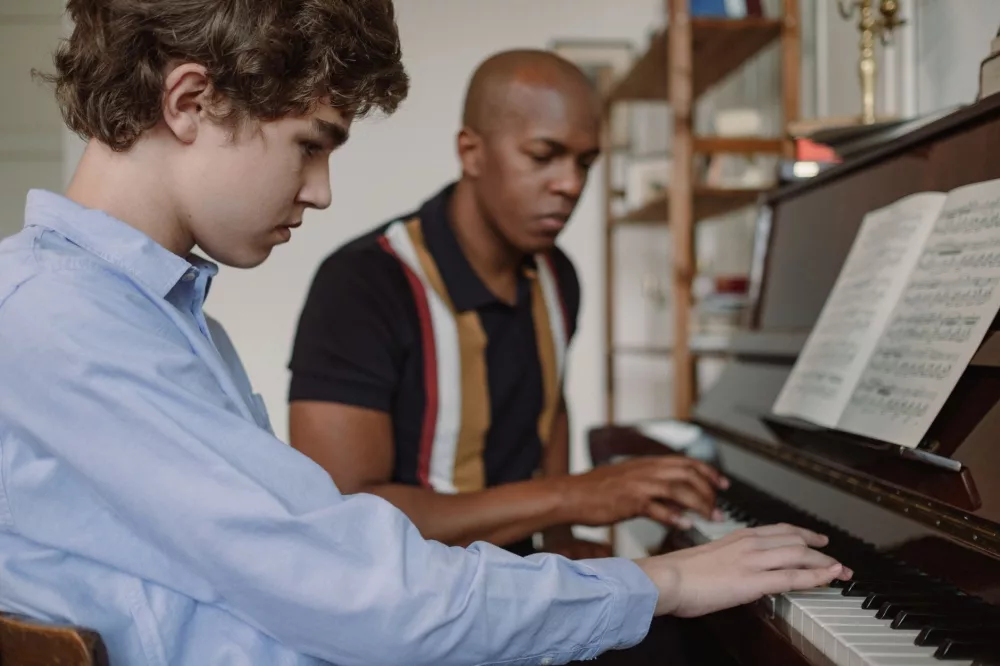
- Private Lessons: These offer personalized attention, tailored curriculum, and direct feedback. It’s usually a faster way to progress because the lesson is entirely focused on you. They can be a bit pricier, but the individualized approach is often worth it, especially for kids or serious adult learners.
- Group Classes: These are often more affordable and can be a fun, social way to learn. You get to interact with other students, which can be motivating. However, the pace might be slower, and the attention from the instructor is divided. It's a great option for those who enjoy a collaborative environment or are just dipping their toes in.
What to Look for in a Teacher (Beyond Proximity!)
Once you’ve got a list of potential teachers or schools in your area, here’s what I’d suggest digging into:
- Experience and Qualifications: Do they have formal music education? How long have they been teaching? While a degree isn't everything, it often indicates a solid foundation.
- Teaching Style and Personality: This is huge. Some teachers are very strict, others more laid-back. You want someone whose personality meshes well with yours or your child's. A good teacher should be encouraging, patient, and able to make learning enjoyable. Honestly, I found that an initial chat or trial lesson made all the difference here.
- Curriculum and Methods: Ask about their teaching approach. Do they use specific method books? Do they incorporate music theory, ear training, and sight-reading from the start? A well-rounded curriculum is super important.
- Performance Opportunities: If performing is a goal, ask if they organize recitals or student concerts. These can be incredibly motivating and a great way to showcase progress.
- References or Reviews: Don’t hesitate to ask for references or check online reviews. What other students and parents say can provide valuable insight.
The Practical Side: Logistics and Cost
Of course, the "near me" part implies convenience, but there's more to it than just location.
Location and Travel Time
Consider how far you’re willing to travel. A 30-minute drive each way might seem fine at first, but twice a week, it can quickly become a chore. Look for places that are genuinely convenient, perhaps on your commute route or close to home. Virtual lessons are also an option if local choices are limited, though I always recommend in-person if possible, especially for beginners.
Lesson Fees and Payment Structure
Piano lessons vary widely in price depending on the teacher's experience, location, and lesson length. Get a clear understanding of the fees per lesson, whether you pay monthly or per semester, and if there are any additional costs for materials or registration. Don't be afraid to ask about discounts for siblings or longer commitments.
Scheduling Flexibility
Does the teacher offer times that fit your schedule? If you or your child has a busy week, finding a teacher with flexible slots is essential. Make sure their cancellation and make-up lesson policies are fair and clear.
Preparing for Your First Lesson and Beyond
So, you’ve found a teacher, you’re all set. What now? Get excited! Here are a few final thoughts for a successful start.
Having an Instrument is Key!
You’ll need a piano or a good quality digital keyboard at home for practice. You simply can't make progress without consistent practice. Digital pianos are a fantastic option for beginners as they offer weighted keys, headphone jacks for silent practice, and often have recording capabilities. I started on a digital one and it was perfect.
Practice Consistently
This is probably the most important piece of advice anyone can give you. Short, regular practice sessions (e.g., 20-30 minutes daily) are far more effective than one long session once a week. My teacher always says, "Practice doesn't make perfect; perfect practice makes perfect!" That means focusing on specific challenges and playing mindfully.
Be Patient and Enjoy the Process
Learning piano is a marathon, not a sprint. There will be frustrating moments, believe me. But stick with it! Celebrate small victories, enjoy the beautiful sounds you create, and remember why you wanted to start in the first place. The journey of making music is incredibly rewarding.
Finding "piano lessons near me" is just the first step. By taking the time to consider your goals, research instructors, and prepare for the journey ahead, you’re setting yourself up for years of musical enjoyment and personal growth. It’s a decision I never regretted, and I’m sure you won’t either.